
Short Answer
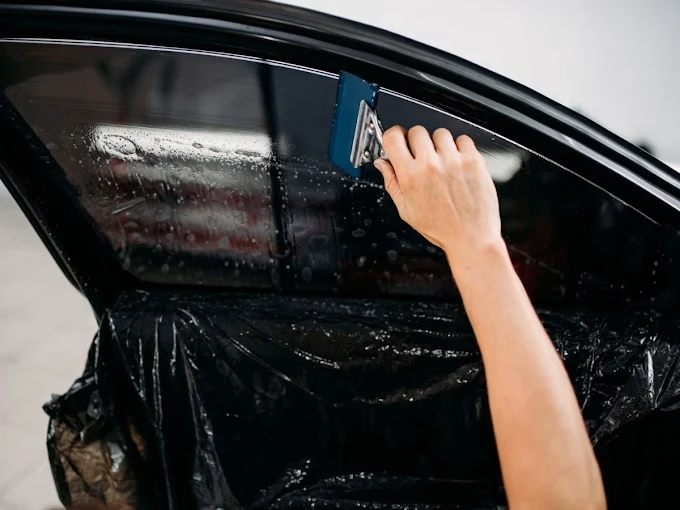
Here are the key differences between ceramic and regular window tint:
| Feature | Ceramic Tint | Regular Tint |
|---|---|---|
| Heat rejection | Excellent (up to 95%) | Good (up to 50%) |
| UV protection | Blocks up to 99% | Blocks up to 90% |
| Durability | Long-lasting, won’t fade | May fade over time |
| Signal interference | None | May affect GPS, radio, phone |
| Appearance | Crystal clear, no glare | May have slight metallic sheen |
| Price | Higher | More affordable |
Ceramic tint is the premium choice for maximum performance and longevity.
What This Difference Means for You
Choosing between ceramic and regular window tint depends on your priorities. If you want the best heat rejection, UV protection, and durability, ceramic tint is the superior choice. If you’re on a budget, regular tint still provides good benefits at a lower cost.
For drivers in Wakefield and surrounding Massachusetts towns, ceramic tint is especially valuable during summer months. It keeps your car cooler, protects your interior, and doesn’t interfere with electronic devices.
Key differences explained:
-
Heat rejection: Ceramic tint blocks significantly more heat
-
UV protection: Ceramic tint offers better skin and interior protection
-
Durability: Ceramic tint lasts longer without fading
-
Signal interference: Ceramic tint doesn’t affect electronics
-
Appearance: Ceramic tint looks clearer and more natural
-
Price: Ceramic tint costs more but offers better value
Which One Should You Choose?
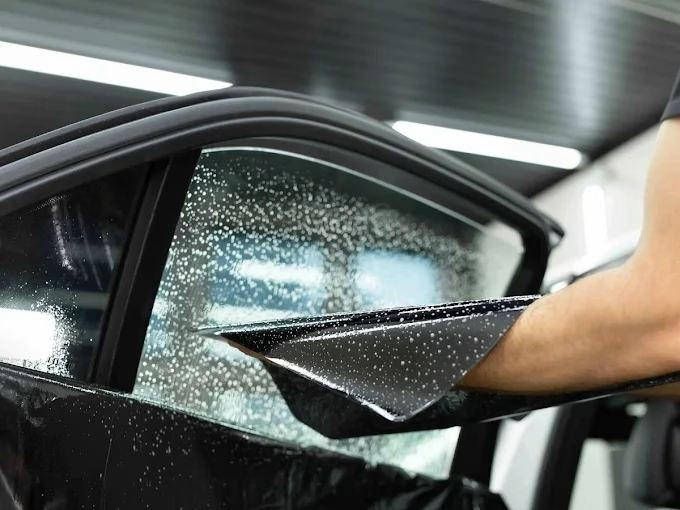
Choose Ceramic Tint If:
-
You want the best heat rejection
-
You drive in hot climates
-
You want maximum UV protection
-
You use electronic devices in your car
-
You want a long-lasting, fade-free tint
-
You’re willing to invest more for premium performance
Choose Regular Tint If:
-
You’re on a budget
-
You want good basic protection
-
You don’t drive in extreme heat
-
You don’t use GPS or streaming frequently
-
You’re satisfied with good, not excellent, performance
When to Contact a Professional
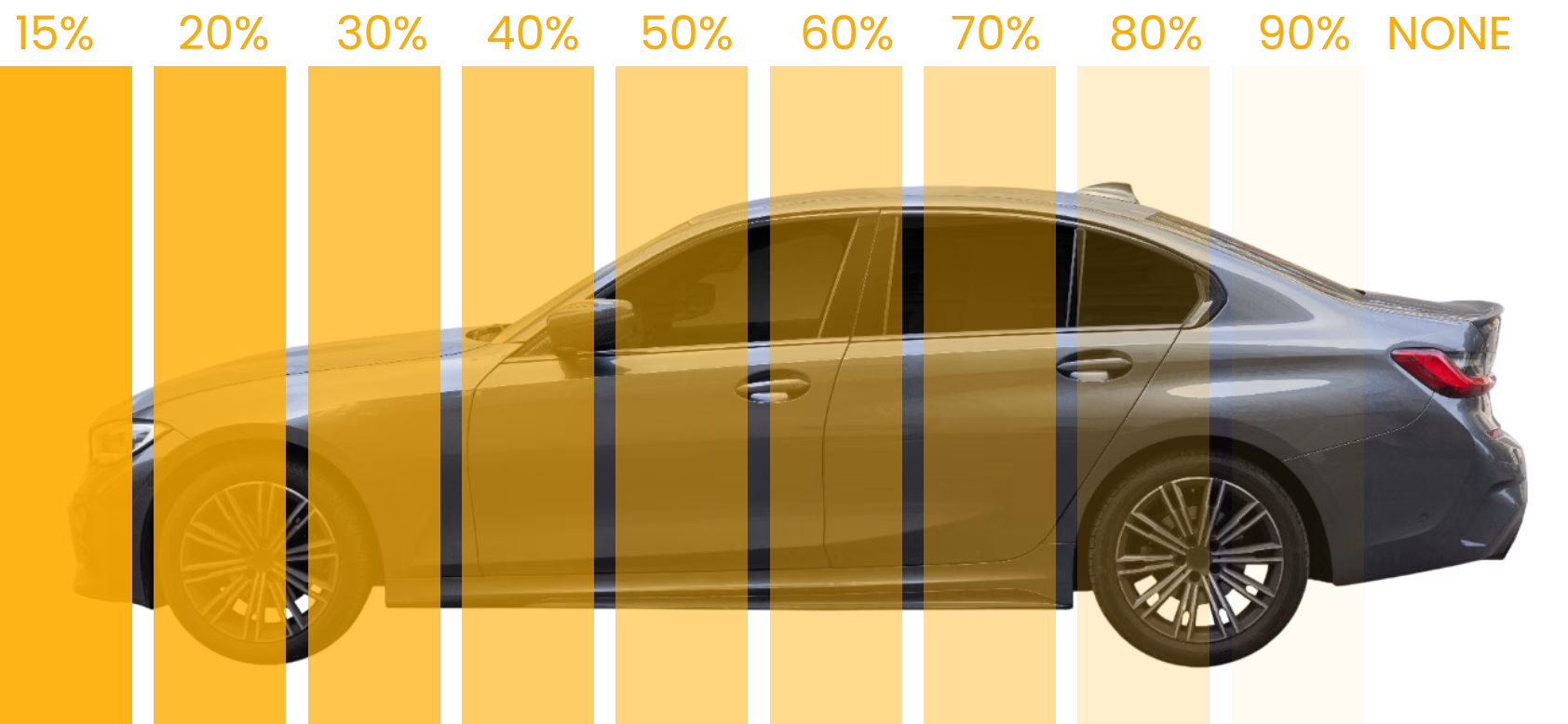
Contact a professional for window tint installation because:
-
Proper preparation ensures adhesion
-
Bubble-free application requires skill
-
Legal compliance requires knowledge
-
Durability depends on correct installation
-
Warranty often requires professional installation
Frequently Asked Questions
Is ceramic window tint worth the extra cost?
Yes, ceramic window tint is worth the investment for many drivers. It provides superior heat rejection, UV protection, and durability. It also doesn’t interfere with electronic signals. For Massachusetts summers, the benefits are significant.
Does ceramic window tint look different from regular tint?
Ceramic tint has a clear, natural appearance with no metallic sheen. Regular tint may have a slight sheen. Ceramic tint looks cleaner and more professional.
Can ceramic window tint be installed on any vehicle?
Yes, ceramic window tint works on most vehicles. It is compatible with all types of glass. Professional installation ensures proper fit and performance.
How long does ceramic window tint last?
Ceramic window tint is highly durable and can last 10 years or more. It won’t fade, turn purple, or bubble like some regular tints. Proper care extends its lifespan.
What is the main difference between ceramic and regular tint?
The main difference is performance. Ceramic tint offers superior heat rejection, UV protection, and durability. It also doesn’t interfere with electronic signals. Regular tint is more affordable but offers less performance.
Custom Vehicle Electronics & Accessories
Ready to upgrade from your factory remote start or add one to your vehicle? Contact Automotive 12V Specialist today for professional consultation and installation. Our experienced team will help you choose the right system and install it with precision.