
Short Answer
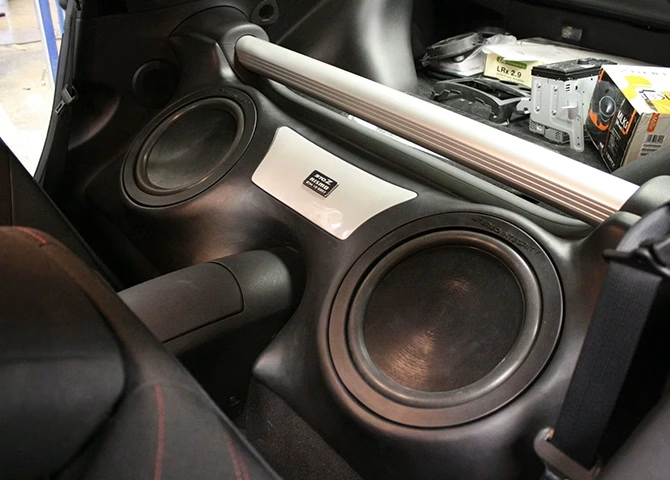
Here is what each car audio component does:
-
Speakers: Convert electrical signals into audible sound across mid and high frequencies
-
Subwoofers: Reproduce low-frequency bass sounds for depth and impact
-
Amplifiers: Boost the audio signal to provide more power and clarity to speakers and subwoofers
These components work together to create a complete sound system. Each one is essential for different aspects of audio quality.
What Audio Components Mean for You
Your car’s audio system is made up of several components that work together. Understanding what each one does helps you make better decisions about upgrades. For drivers in Wakefield and surrounding Massachusetts towns, a quality audio system makes daily commutes more enjoyable.
Why each component matters:
-
Speakers determine overall sound quality and clarity
-
Subwoofers add depth and impact to your music
-
Amplifiers provide the power needed for clear, distortion-free sound
Each component contributes to your overall listening experience.
Amplifiers: Power and Clarity
What Amplifiers Do
Amplifiers boost the audio signal from your stereo to provide more power to your speakers and subwoofers. More power means cleaner sound at higher volumes and better dynamic range.
Amplifier Types
Multi-Channel Amplifiers
These power multiple speakers. Common configurations include:
-
4-channel: Powers front and rear speakers
-
5-channel: Powers four speakers and a subwoofer
Mono Amplifiers
These power subwoofers only. They provide the high power needed for bass reproduction.
Compact Amplifiers
These are smaller units that fit in tight spaces. They provide good power in a small package.
Signs You Need an Amplifier
-
Distortion at higher volumes
-
Weak bass output
-
Lack of dynamic range
-
Your stereo lacks power
What to Consider When Choosing an Amplifier
-
Power output: Match to your speakers’ needs
-
Number of channels: Based on how many components you plan to power
-
Space available: Consider where you will mount the amplifier
-
Vehicle’s electrical system: Ensure it can handle the additional power draw
How Components Work Together
The Audio Signal Path
-
Head unit sends a low-power audio signal
-
Amplifier boosts the signal
-
Speakers convert the boosted signal into sound
-
Subwoofer reproduces low-frequency bass
Balanced Systems
A balanced system has the right combination of components:
-
Quality speakers for clear mid and high frequencies
-
A subwoofer for bass depth
-
An amplifier to power everything properly
Upgrading One Component
Upgrading one component can improve sound quality. However, the best results come from a balanced system where components work together. For example:
-
Adding a subwoofer without an amplifier may not provide enough power
-
Adding an amplifier without quality speakers may not sound as good as it could
When to Contact a Professional
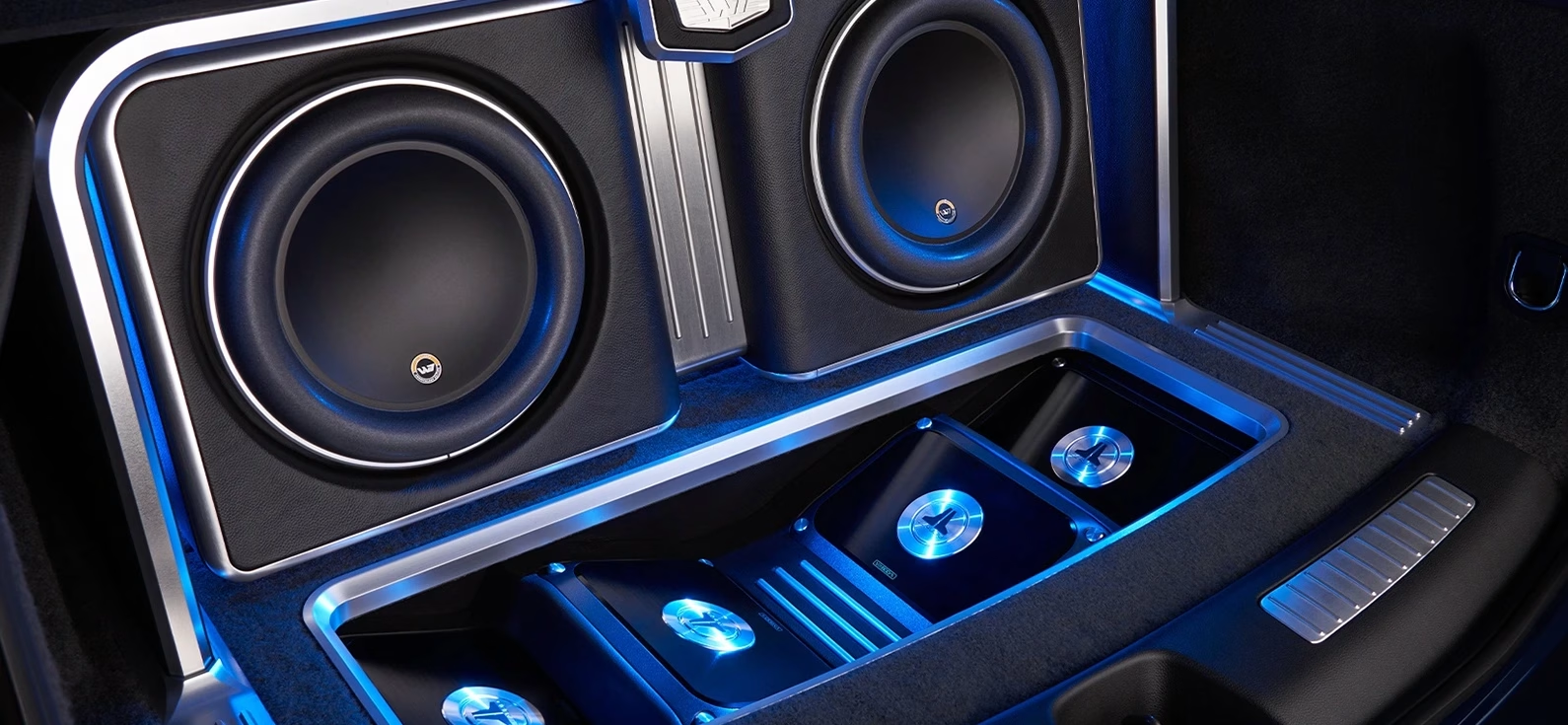
Contact a professional installer for car audio upgrades because:
-
Speaker compatibility requires vehicle-specific knowledge
-
Wiring must be done correctly for safety
-
Amplifier integration requires expertise
-
Subwoofer installation needs proper enclosures
-
Sound tuning needs professional equipment
Frequently Asked Questions
Do I need an amplifier for my speakers?
An amplifier is not strictly necessary but provides significant benefits. It delivers cleaner power, reducing distortion at higher volumes. For the best sound quality, an amplifier is recommended.
What size subwoofer do I need?
Subwoofer size depends on your space and sound preferences. Common sizes include 8, 10, and 12 inches. Smaller subwoofers provide tight, accurate bass while larger subwoofers produce deeper, more powerful bass.
Can I install a subwoofer myself?
We recommend professional installation for the best results. Proper subwoofer installation requires the right enclosure and wiring. Improper installation can damage your system or vehicle.
What is the difference between 2-way and 3-way speakers?
2-way speakers have a tweeter and a woofer. 3-way speakers add a mid-range driver for more detailed sound. Both types have advantages depending on your preferences.
How much power do I need for my car audio system?
Power requirements depend on your speakers and preferences. A basic system needs 25-50 watts per channel. A premium system may need 100+ watts per channel. Contact us for specific recommendations.
Custom Vehicle Electronics & Accessories
Ready to upgrade from your factory remote start or add one to your vehicle? Contact Automotive 12V Specialist today for professional consultation and installation. Our experienced team will help you choose the right system and install it with precision.